Why Is Hiring a Specialized Concrete Contractor Better Than a Handyman?
Grace Sloggett • May 28, 2026
The body content of your post goes here. To edit this text, click on it and delete this default text and start typing your own or paste your own from a different source.

In the competitive world of commercial real estate and facility management, selecting the right floor finish is a critical financial decision. High-traffic environments demand surfaces that can withstand constant wear while keeping operational costs to an absolute minimum over the building's lifecycle. Choosing a low-maintenance concrete finish does more than just reduce cleaning hours; it eliminates the need for expensive recurring treatments like waxing or stripping. By prioritizing durability during the initial construction or renovation phase, business owners can secure significant long-term savings and structural reliability . Polished Concrete for High-Traffic Durability Polished concrete is widely considered the gold standard for commercial spaces seeking the lowest possible maintenance overhead. This process involves mechanically grinding the surface to a high gloss, which tightens the molecular structure of the concrete and makes it incredibly resistant to staining and abrasion. Eliminates the need for topical coatings, waxes, or sealers that eventually peel and require replacement. Creates a high-reflectivity surface that can lower artificial lighting costs in large warehouses or retail centers. Requires only a simple routine of dust mopping and occasional damp mopping with a neutral pH cleaner. Because the finish is part of the slab itself rather than a layer on top, it cannot flake or delaminate, ensuring decades of reliable service. Concrete Densifiers and Chemical Hardeners Applying a liquid chemical densifier is a cost-effective way to permanently increase the hardness of a commercial floor. These deep-penetrating silicates react with the free lime in the concrete to create a denser surface that resists "dusting" and heavy equipment wear. Permanently seals the pores of the concrete from the inside out to prevent liquid penetration. Increases the compressive strength of the top layer, making it ideal for forklift traffic and heavy machinery. Reduces the accumulation of tire marks and black scuffs in industrial or automotive environments. Densified floors are virtually maintenance-free after the initial application, requiring no specialized chemicals or frequent reapplications to stay protected. Burnished Concrete for Industrial Efficiency Burnishing is a high-speed mechanical process that uses specialized floor machines to buff the concrete surface to a smooth, hard sheen. This finish is particularly popular in large-scale logistics centers where speed of installation and ease of cleaning are the primary goals. Provides a smooth surface that reduces friction and wear on vehicle tires and cleaning equipment. Offers a denser surface than raw concrete without the high cost of a multi-stage mechanical polish. Works exceptionally well when combined with a densifier to create a liquid-repellent barrier. The result is a tough, utilitarian floor that maintains its integrity under the most demanding industrial conditions with minimal intervention. Sealed Broom Finishes for Exterior Safety For commercial exteriors like loading docks, sidewalks, and entryways, a high-quality broom finish combined with a penetrating sealer offers the best balance of safety and low maintenance. The texture provides essential slip resistance, while the sealer prevents the freeze-thaw damage that leads to costly concrete spalling. Resists the damaging effects of de-icing salts and chemical spills common in parking areas. Simplifies the removal of snow and ice by preventing moisture from bonding deeply with the concrete. Allows for easy pressure washing to remove dirt and organic growth without damaging the decorative texture. By protecting the exterior slab from environmental stressors, facility managers can avoid the high costs of premature structural repairs or surface resurfacing. Epoxy and High-Performance Resin Coatings In environments where chemical resistance is a priority, such as laboratories or food processing plants, high-performance resin coatings offer a seamless, non-porous solution. These coatings protect the underlying concrete from corrosive substances that would otherwise cause rapid deterioration. Creates a completely non-absorbent surface that can be sanitized quickly to meet health and safety codes. Protects the structural slab from oils, acids, and harsh detergents used in industrial cleaning. Available in high-visibility colors or slip-resistant textures to enhance workplace safety. While the initial investment is higher than raw concrete, the protection it offers to the primary structure prevents the massive expense of a total slab replacement. Maximize Your Facility’s Operational Budget Investing in the right concrete finish is a strategic move that pays dividends by lowering labor costs and extending the life of your infrastructure. When you choose finishes designed for longevity, you transform your flooring from a recurring expense into a durable asset. The long-term success of any commercial property relies on making smart, data-driven choices about material durability and maintenance. Secure your facility's future today by selecting a concrete finish that works as hard as your business does.

Stamped concrete provides a high-end, decorative aesthetic that can significantly enhance the curb appeal of any home. However, in regions where winter temperatures plummet, these intricate surfaces require specialized care to maintain their color and structural integrity against the elements. The combination of freezing moisture and heavy snow removal can be particularly taxing on the textured patterns of stamped slabs . Implementing a proactive maintenance plan is the only way to ensure your investment remains a beautiful and durable feature of your landscape year after year. Application of a Breathable Solvent-Based Sealer The most critical defense for stamped concrete in a cold climate is a high-quality sealer that prevents water from penetrating the surface. In winter, moisture that seeps into the concrete can freeze and expand, leading to "spalling" or "pop-outs" that ruin the stamped pattern. Select a sealer with a high solids content to provide a thick, protective wear layer against snow and ice. Ensure the sealer is breathable to allow internal moisture vapor to escape without causing the finish to cloud or peel. Reapply the sealer every two to three years in the fall to ensure maximum protection before the first frost. A fresh seal acts as a waterproof shield, keeping the decorative pigments vibrant while locking out the damaging effects of the freeze-thaw cycle. Avoidance of Traditional Rock Salt and De-icers Chemical de-icers, particularly those containing sodium chloride or calcium chloride, are the leading cause of surface degradation in stamped concrete. These chemicals accelerate the number of freeze-thaw cycles and can chemically attack the cement paste, leading to pitting and fading. Use plain sand for traction as it provides a slip-resistant surface without reacting with the concrete. Avoid "safe for concrete" labeled salts, as many still contain harsh chemicals that can strip away the decorative sealer. Rinse the surface thoroughly in the spring to remove any salt brine tracked in from the city streets by vehicles. By sticking to sand and mechanical snow removal, you preserve the intricate details of the stamped pattern and prevent chemical burns on the surface. Proper Snow Removal Techniques When clearing snow from a decorative surface, the tools you use are just as important as the frequency of cleaning. Metal shovels and heavy snowblower blades can easily scratch, chip, or gouge the raised textures of a stamped design. Utilize plastic shovels or those with a rubber leading edge to prevent mechanical damage to the sealer. Set snowblower shoes high enough to ensure the metal auger does not make direct contact with the concrete. Clear snow promptly to prevent "ice dams" from forming in the grout lines or recessed areas of the pattern. Gentle snow removal preserves the artistic finish of the stone or brick patterns, ensuring the surface remains smooth and aesthetically pleasing. Managing Drainage and Ice Accumulation Poor drainage is a major enemy of stamped concrete, as standing water that freezes in the texture of the stamp can cause localized cracking. Ensuring that your patio or driveway effectively sheds water is essential for long-term winter survival. Keep adjacent gutters and downspouts clear so they do not dump excess water onto the decorative surface. Sweep away slush and melting snow during the day to prevent it from refreezing into a dangerous ice sheet at night. Check that the surrounding landscape hasn't shifted in a way that traps water on the concrete. Proper moisture management reduces the amount of ice you have to deal with and protects the subgrade from shifting under the slab. Spring Cleaning and Color Restoration Maintenance doesn't end when the snow melts; the post-winter cleanup is vital for removing the grit and grime that accumulates during the cold months. A thorough spring cleaning allows you to inspect the surface for any minor damage that occurred during the season. Use a pressure washer on a low setting with a mild detergent to lift away deep-seated dirt and sand. Inspect the "antiquing" or secondary colors for any signs of fading that may require a tinted sealer touch-up. Check the expansion joints for debris and ensure they are still properly sealed to keep water out of the foundation. Addressing minor wear in the spring prevents it from becoming a major structural issue by the time the next winter arrives. Preserve Your Decorative Investment for a Lifetime Maintaining stamped concrete in a harsh climate is a manageable task that rewards the homeowner with a stunning and resilient outdoor space. By following these specialized care steps, you protect the artistic value and the physical strength of your property. Your home’s exterior should remain a source of pride, regardless of the challenges posed by the winter season. Start your seasonal maintenance routine today to ensure your stamped surfaces continue to impress and perform for decades to come.

Repairing a fractured driveway or patio is only the first step in maintaining your home’s exterior surfaces. Without addressing the underlying causes of the initial damage, even the most meticulous professional patch can eventually fail or see new fissures emerge. Understanding the mechanics of concrete movement allows you to take proactive measures to protect your investment. By implementing a long-term maintenance strategy, you can ensure that your repaired surfaces remain smooth, safe, and structurally sound for years to come. Address Underlying Soil and Drainage Issues Most concrete cracks are symptoms of shifting ground or poor water management beneath the slab. If water is allowed to pool near the edges or seep under the concrete, it will erode the subgrade and cause the surface to settle and crack again. Redirect downspouts and gutters at least five feet away from any concrete walkways or driveways . Ensure the landscape is graded to slope away from the slab to prevent saturation of the supporting soil. Fill any voids or "sinkholes" at the edge of the concrete with compacted topsoil or crushed stone. Stabilizing the foundation is the only way to prevent the vertical movement that snaps even the strongest repair materials. Maintain Flexible Control Joints Control joints are intentional breaks designed to guide concrete movement, but they often become clogged with dirt, rocks, and weeds. When these joints are blocked, the slab loses its ability to expand during the summer heat, forcing it to crack in unintended areas. Clean out debris from existing joints using a stiff brush or a specialized vacuum. Apply a high-quality, flexible polyurethane sealant to the joints to keep moisture and incompressible materials out. Inspect the sealant annually for signs of peeling or cracking to ensure a continuous watertight barrier. A functioning joint system acts as a pressure relief valve, keeping the rest of your slab tension-free and intact. Apply a High-Quality Penetrating Sealer Once a repair is complete, the entire surface should be treated with a professional-grade sealer to prevent water absorption. Penetrating sealers soak into the pores of the concrete, creating a hydrophobic barrier that stops the freeze-thaw cycle from damaging the repair. Choose a silane or siloxane-based sealer for the best protection against moisture and road salts. Reapply the sealer every three to five years, depending on the level of foot and vehicle traffic. Ensure the surface is thoroughly cleaned and etched before application to allow for maximum absorption. Sealing is your primary defense against the environmental stressors that cause surface scaling and the reopening of old cracks. Manage Large Tree Roots Near the Slab The powerful force of growing tree roots can easily lift and crack a freshly repaired section of concrete. If you have large trees within ten feet of your driveway or sidewalk, you must manage their root systems to prevent future upheaval. Install root barriers—vertical underground shields—to redirect root growth away from the concrete. Consult with an arborist about selective root pruning if a specific root is clearly lifting the slab. Use flexible permeable pavers in areas where tree growth makes traditional concrete impractical. By managing the biological factors surrounding your concrete, you eliminate one of the most common causes of recurring structural damage. Avoid Using Harsh Chemical De-icers Many homeowners unknowingly destroy their concrete repairs by using salt or chemical de-icers during the winter months. These chemicals lower the freezing point of water, which increases the number of freeze-thaw cycles the concrete must endure in a single day. Use plain sand or birdseed for traction on icy surfaces instead of sodium chloride or rock salt. Clean off any automotive fluids or chemical spills immediately to prevent them from eating into the repair. Avoid using metal shovels or ice scrapers that can chip away at the edges of a new patch or resurface. Gentle maintenance habits during the winter will preserve the chemical bond of the repair and keep the surface looking brand new. Safeguard Your Home’s Structural Integrity Protecting your concrete after a professional repair is a commitment that pays dividends in both curb appeal and property value. By taking these strategic steps, you transform a temporary fix into a permanent solution that stands up to the elements. Your home deserves the care and attention required to stay in peak condition throughout every season. Start your maintenance routine today to enjoy the peace of mind that comes with a beautiful, crack-free, and resilient property.

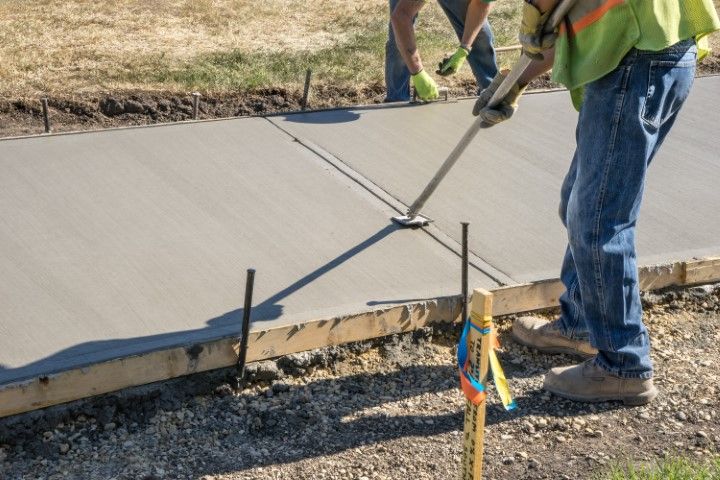
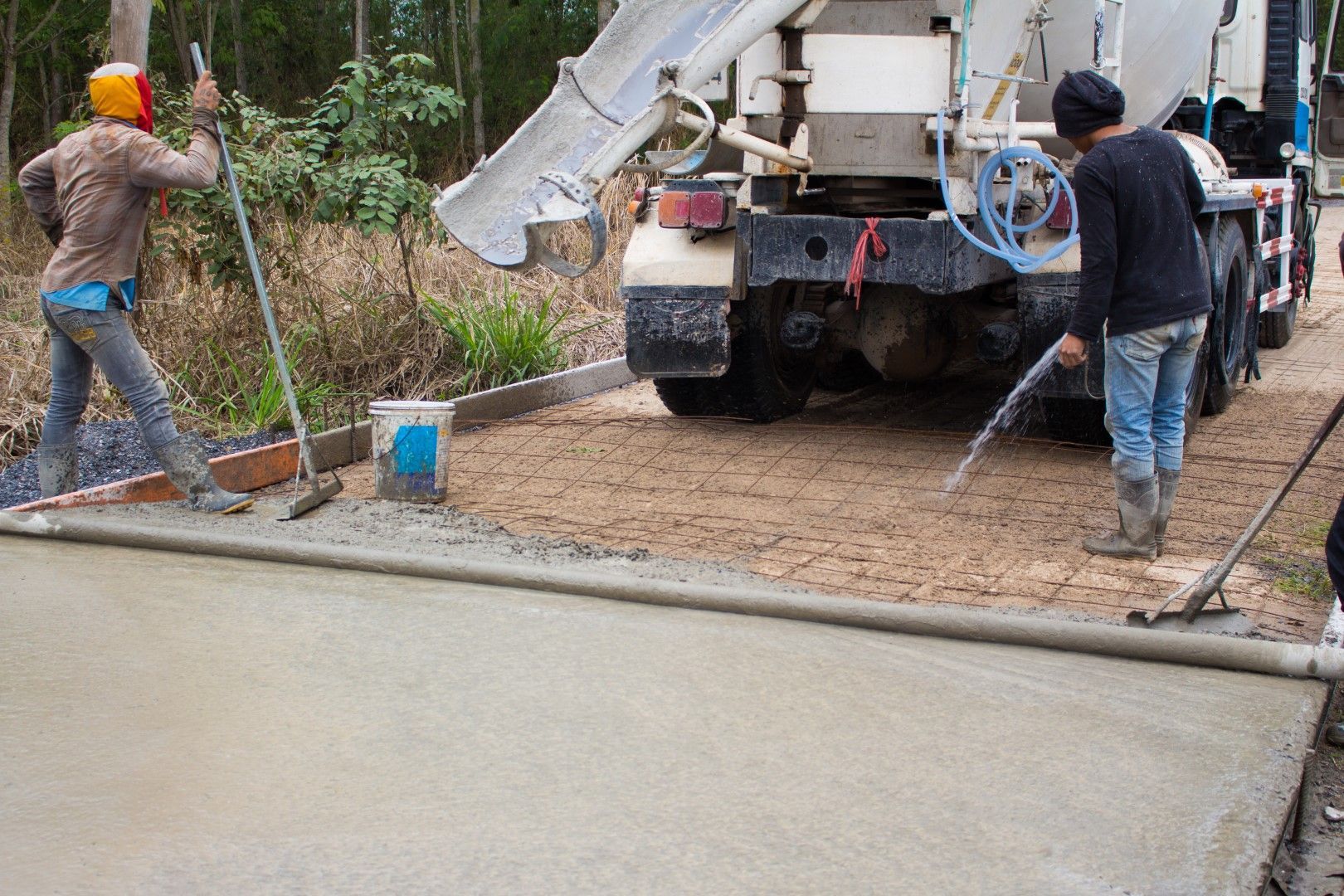
High-traffic sidewalks must endure constant physical stress from heavy foot traffic, delivery carts, and environmental shifts. Without proper internal reinforcement, standard concrete will quickly develop structural cracks that lead to tripping hazards and expensive repairs. Ensuring the longevity of a busy walkway requires a strategic combination of high-strength materials and professional engineering. By focusing on the internal skeleton of the slab, you can protect your investment and maintain a safe, accessible path for years to come. Structural Rebar for Maximum Load Bearing For sidewalks that may occasionally support heavy machinery or frequent commercial deliveries, steel rebar is the gold standard for providing tensile strength. Rebar prevents the concrete from pulling apart under pressure and ensures that the slab can bridge minor soft spots in the soil. Use Grade 60 steel rebar to provide a high level of yield strength for urban environments. Place the bars in a grid pattern, typically spaced twelve to eighteen inches apart, depending on the expected load. Secure the rebar on "chairs" to ensure it remains in the center of the pour rather than sinking to the bottom. Reinforcing with steel creates a rigid framework that allows the sidewalk to function more like a bridge than a simple surface layer. Synthetic Fiber Mesh for Surface Integrity While rebar handles the heavy loads, synthetic fiber mesh is added directly to the concrete mix to control "plastic shrinkage" cracks during the curing process. These millions of tiny fibers provide three-dimensional reinforcement that holds the surface together and resists impact damage. Opt for macro-synthetic fibers to provide a higher level of structural support than standard micro-fibers. Ensure the fibers are evenly distributed throughout the concrete truck to avoid weak spots in the pour. Use fiber-reinforced mixes in areas with extreme temperature swings to reduce surface flaking or "spalling." Fiber mesh acts as a secondary insurance policy, keeping the surface smooth and preventing small fissures from expanding over time. Welded Wire Reinforcement for Flatwork Stability Welded Wire Reinforcement (WWR) is a convenient and effective way to provide consistent tension across a large area of flatwork. It is particularly useful for long stretches of sidewalk where maintaining a uniform grid of rebar might be too labor-intensive. Select a heavy-gauge wire mesh to ensure it provides meaningful structural support rather than just cosmetic protection. Overlap the sheets of mesh by at least six inches to maintain a continuous bond across the entire walkway. Check that the mesh is pulled upward during the pour so it doesn't end up resting on the dirt. This type of reinforcement is ideal for maintaining the shape of the sidewalk and preventing "faulting," where one slab becomes higher than the next. Thickened Edges and Load Transfer Dowels High-traffic areas often fail at the joints where two slabs meet, as the weight of a pedestrian or cart moves from one section to another. Installing smooth steel dowels across these joints allows for the transfer of weight without the slabs shifting independently. Use greased dowel bars to allow for natural thermal expansion while maintaining vertical alignment. Increase the concrete thickness at the edges of the sidewalk where the most stress occurs. Space dowels precisely to ensure they don't lock the slabs together and cause "random" cracking. Load transfer mechanisms are essential for preventing the uneven "lippage" that creates dangerous tripping hazards in busy public corridors. Engineered Subgrade and Base Compaction No amount of internal steel can save a sidewalk if the ground beneath it is soft or poorly drained. A high-traffic path needs a thick, compacted base of crushed stone to provide a stable platform for the reinforced concrete. Use a minimum of four to six inches of compacted gravel to ensure proper drainage and support. Verify that the soil has been stripped of all organic material and compacted with a vibrating plate. Install a vapor barrier if the sidewalk is adjacent to a building to prevent moisture migration. A solid foundation ensures that the reinforcement remains in its intended position and that the concrete does not have to fight against shifting earth. Secure the Future of Your Pedestrian Infrastructure Investing in the correct reinforcement today is the only way to avoid the logistical and financial nightmare of a premature sidewalk failure . A well-built, high-traffic path serves as a durable asset that enhances the safety and value of your property. When you prioritize structural integrity, you create a worry-free environment for both pedestrians and property owners. Take the proactive step toward professional-grade construction to ensure your walkways remain pristine and functional for decades.

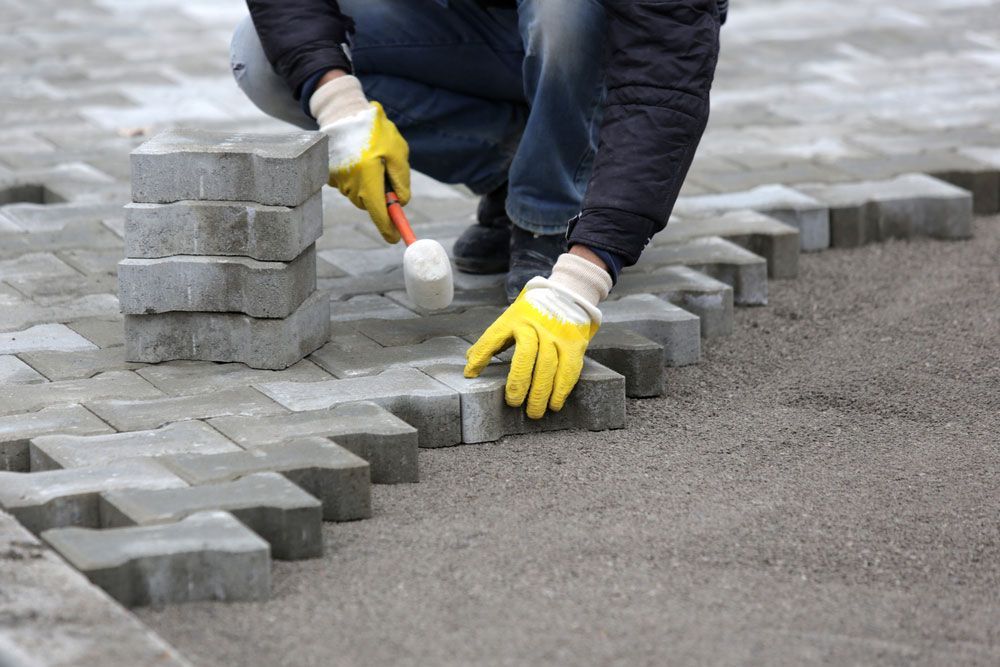
Constructing a sidewalk in regions prone to harsh winters requires a strategic selection of materials that can handle extreme temperature fluctuations. The primary challenge in cold climates is the freeze-thaw cycle, which can cause standard pavements to crack, heave, or crumble within just a few seasons. Choosing durable, weather-resistant materials ensures that your walkways remain safe for pedestrians and aesthetically pleasing for years to come. Investing in high-quality components and specialized installation techniques prevents the need for frequent, costly repairs caused by frost damage. Air-Entrained Concrete for Freeze Protection Air-entrained concrete is specifically engineered to include billions of microscopic air bubbles that provide "expansion chambers" for freezing water. When moisture within the concrete turns to ice, it expands into these tiny voids rather than putting pressure on the internal structure of the slab. Use a mix with a five to seven percent air content to maximize resistance to surface scaling. Ensure the water-to-cement ratio is kept low to increase the overall density and strength of the concrete. Avoid over-finishing the surface, as this can force the essential air bubbles away from the top layer. This specialized concrete is the gold standard for public and private walkways in northern states, offering a life expectancy far beyond standard mixes. High-Strength Interlocking Concrete Pavers Interlocking pavers are an excellent alternative to solid slabs because they provide built-in flexibility that allows the ground to shift without causing structural damage. Because there are joints between each unit, the sidewalk can "breathe" and move slightly as the frost enters and leaves the soil. Install pavers with a high compressive strength of at least 8,000 PSI to resist the impact of snowplows. Use specialized polymeric sand in the joints to prevent water from penetrating the sub-base while maintaining flexibility. Choose pavers with a low water absorption rate to minimize internal ice expansion within the stone itself. The modular nature of pavers means that if one section is damaged, it can be replaced individually without tearing up the entire walkway. Engineered Permeable Pavement Systems Permeable materials are gaining popularity in cold climates because they allow melting snow and rain to drain directly through the surface into the ground. This prevents the formation of "black ice" and reduces the amount of standing water that could otherwise freeze and expand within the pavement. Design a deep, open-graded aggregate base to act as a reservoir for managed water runoff. Ensure regular maintenance is performed to keep the pores clear of sand and debris used during winter salting. Select materials that are resistant to chemical de-icers which can often degrade standard asphalt or concrete. By managing water effectively, permeable systems eliminate the primary catalyst for frost heaving and surface deterioration. Fiber-Reinforced Concrete for Enhanced Durability Adding synthetic or steel fibers to a concrete mix provides secondary reinforcement that helps hold the material together even if micro-cracks develop. These fibers act as "bridges" across potential fractures, preventing small fissures from turning into wide, hazardous gaps. Use macro-synthetic fibers to provide structural support and reduce the need for traditional steel mesh. Ensure the fibers are distributed evenly throughout the mix to provide three-dimensional reinforcement. Combine fiber reinforcement with traditional control joints for the highest level of crack management. This added internal strength is particularly valuable in areas where heavy snow-clearing equipment frequently traverses the sidewalk. Proper Sub-Base Materials and Drainage The longevity of any sidewalk material is ultimately determined by the quality of the foundation and its ability to shed water. A thick layer of well-draining, non-frost-susceptible material prevents the "ice lenses" from forming beneath the sidewalk and pushing it upward. Use a base of crushed stone or clean gravel rather than sand, which can trap moisture. Install perforated drain tiles if the soil has a high clay content and poor natural drainage. Extend the base layer several inches beyond the width of the sidewalk to provide extra lateral support. A solid, dry foundation ensures that even the best surface materials are not undermined by the powerful forces of shifting frozen earth. Secure Your Walkways Against the Elements Prioritizing frost-resistant materials is a smart financial decision that protects the safety of your property and its users. By selecting specialized concrete or flexible paver systems, you ensure your infrastructure can withstand the most punishing winter weather. Your sidewalks are a vital part of your home’s accessibility and deserve the protection of modern engineering and high-quality materials. Take the step to build with durability in mind today to enjoy clear, stable, and beautiful paths for many winters to come.

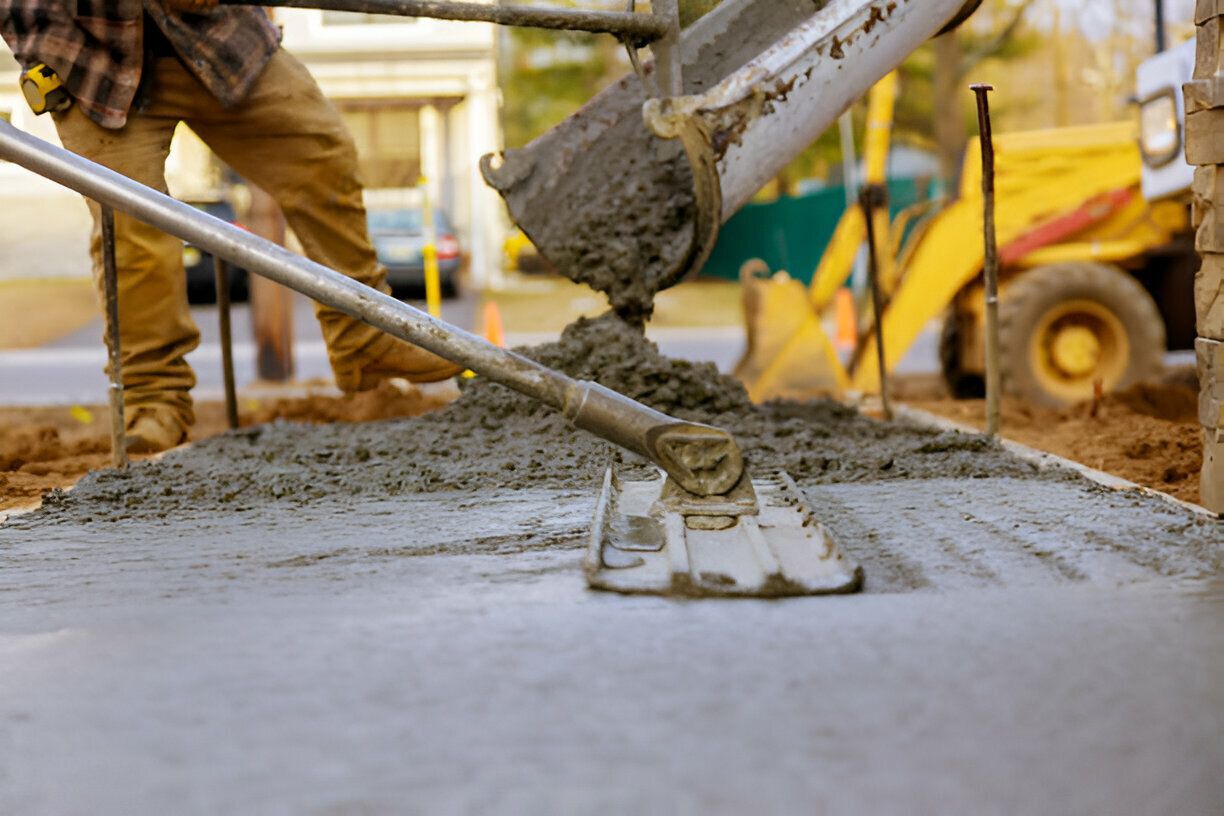
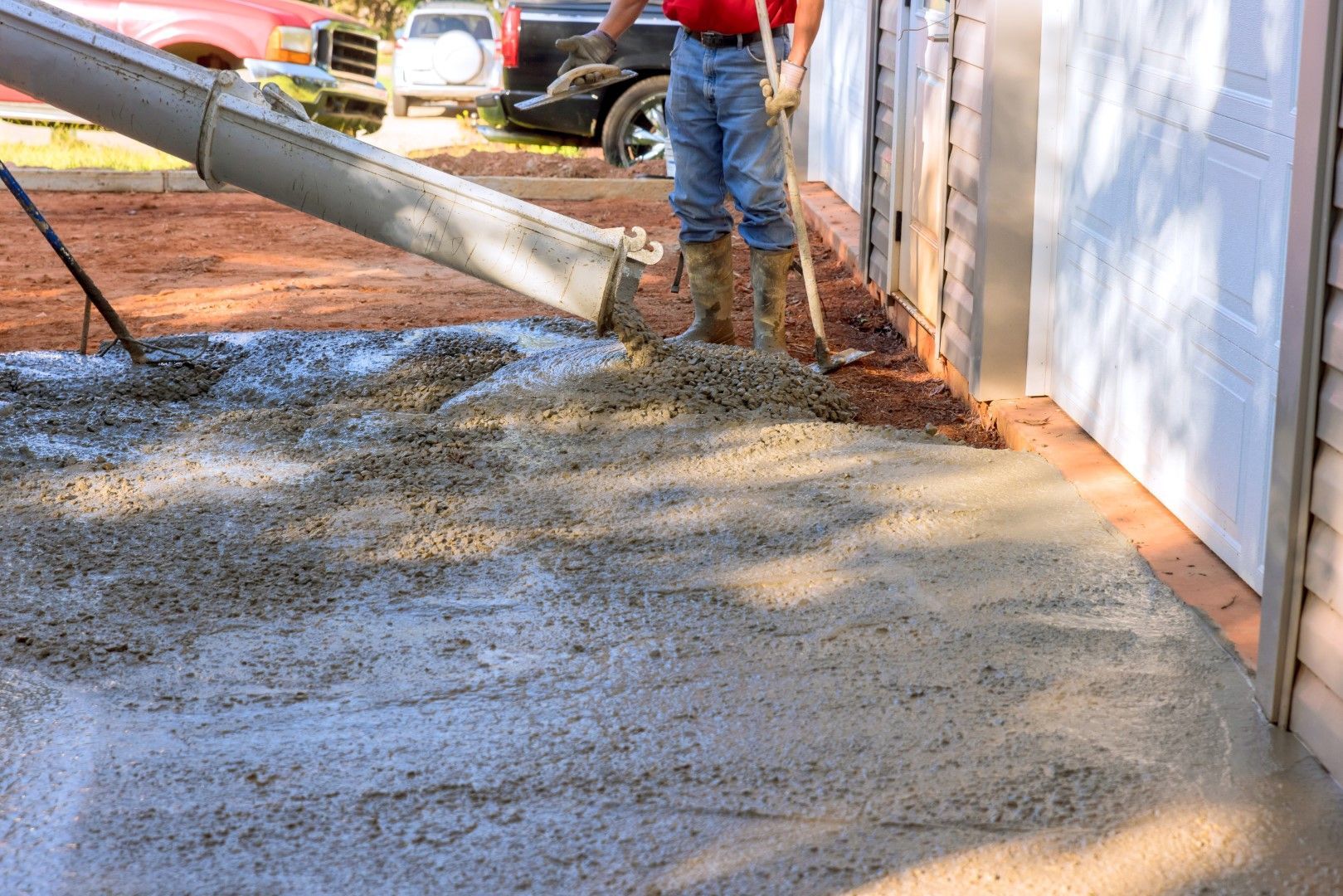
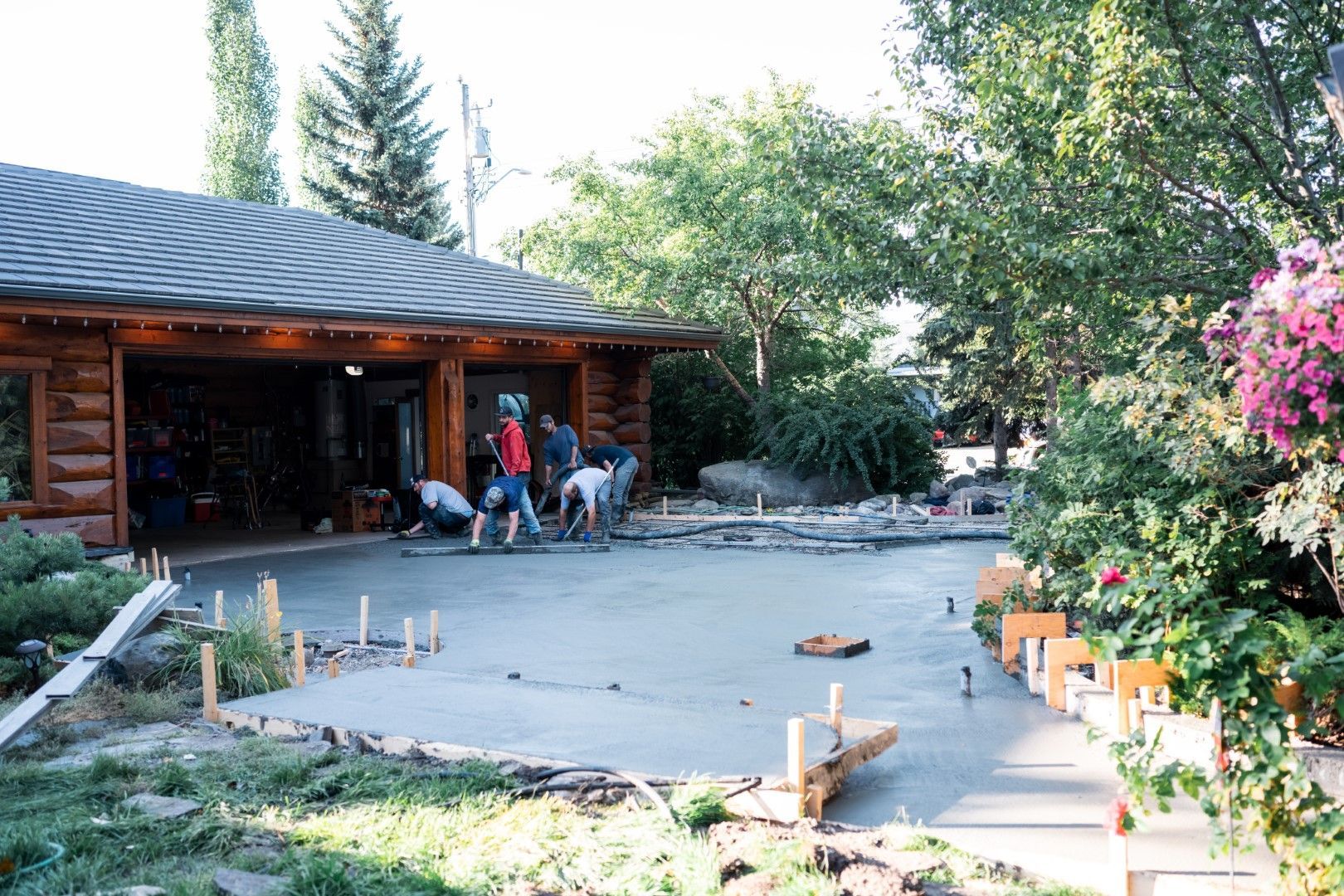
Installing a new driveway is a significant home improvement project that requires careful logistical planning and a clear understanding of timeframes. Many homeowners underestimate the duration of the process, which involves much more than simply pouring wet concrete onto the ground. The total timeline is influenced by several factors, including weather conditions, the size of the project, and the complexity of the site preparation. Knowing what to expect during each phase ensures you can manage your daily schedule and parking needs without unnecessary stress. Site Preparation and Excavation The first phase of the project is often the most labor-intensive and involves clearing the area and preparing the ground to support the weight of the new slab. This stage typically takes one to two days, depending on whether an old driveway needs to be demolished and hauled away first. Removal of existing asphalt, concrete, or organic debris, like grass and roots. Grading the soil to ensure proper water drainage away from the home’s foundation. Compacting the subgrade to prevent the new driveway from sinking or shifting over time. Proper excavation is the foundation of a long-lasting driveway and cannot be rushed if you want to avoid future structural cracks. Forming and Reinforcement Installation Once the ground is level and compacted, the crew will set up wooden forms to define the shape and perimeter of the driveway. This stage usually takes half a day to a full day and includes the critical step of laying down reinforcement materials. Setting the "shuttering" or forms at the correct height and slope for precision. Installing steel rebar or wire mesh to provide the concrete with the necessary tensile strength. Placing "chairs" or spacers to ensure the reinforcement stays in the center of the slab during the pour. Reinforcement acts as the skeleton of your driveway, ensuring that the concrete remains a cohesive unit even under heavy vehicle loads. The Pouring and Finishing Process The "pour day" is the most transformative part of the project and usually happens quite quickly once the concrete trucks arrive on site. For a standard residential driveway, the pouring, leveling, and finishing are typically completed in a single day. Spreading the wet concrete evenly within the forms using specialized rakes and tools. Screeding and "bull floating" the surface to create a perfectly flat and smooth level. Applying the final texture, such as a non-slip broom finish, before the material begins to set. While the visual work is finished by the end of this day, the internal chemical process of the concrete is just beginning. The Initial Curing Phase Even though the concrete may look dry and feel hard to the touch within a few hours, it is still extremely fragile during the first few days. This "green" phase is when the concrete is most susceptible to surface damage and internal stress fractures. Keeping pets, children, and foot traffic off the surface for at least twenty-four to forty-eight hours. Allowing the concrete to reach a baseline strength that can support lightweight. Protecting the edges of the slab where the forms were recently removed to prevent chipping . Patience during this window is vital, as premature weight gain can lead to permanent indentations or structural weaknesses that cannot be easily fixed. Waiting for Full Vehicle Weight Capacity The most common question homeowners ask is when they can finally park their cars back on the new surface. While you can typically walk on the concrete after two days, you must wait significantly longer before subjecting it to the heavy weight of a vehicle. Wait a minimum of seven days before driving a standard passenger car onto the new slab. Extend the wait to thirty days for heavy trucks, SUVs, or large delivery vans. Avoid turning the steering wheel while the vehicle is stationary during the first few weeks to prevent "power steering burns." Total curing takes about twenty-eight days to reach maximum design strength, and following these weight restrictions ensures the longevity of your investment. Secure a Durable Entrance for Your Home Investing the necessary time into a professional installation ensures that your driveway remains a functional and beautiful asset for decades. By respecting the curing process and the technical requirements of each phase, you protect your property's value and structural health. A well-timed project results in a resilient surface that can handle the demands of daily life with ease. Take the proactive step toward a new driveway today and enjoy the confidence that comes with a professionally managed timeline and expert craftsmanship.

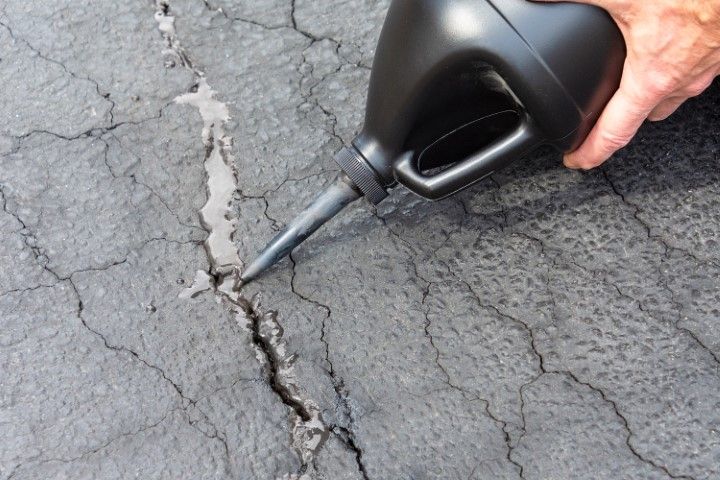
Determining the appropriate level of maintenance for your driveway is essential to preserving your home’s curb appeal and structural integrity. Homeowners often struggle to decide between a quick fix and a more comprehensive restoration, leading to either wasted money or ignored damage. Making the right choice early can prevent minor surface flaws from evolving into a total foundation failure. By understanding the specific symptoms of concrete wear , you can select a repair strategy that balances cost-effectiveness with long-term durability. Identifying Minor Hairline Cracks Hairline cracks are thin, superficial fissures that generally measure less than one-quarter inch in width and do not indicate a sinking foundation. These are typically the result of natural expansion and contraction or the settling of a relatively new slab of concrete. Use a high-quality concrete filler or masonry caulk to seal these openings against moisture. Ensure the area is completely dry and free of loose debris before applying any patching compound. Monitor the area over several months to see if the crack widens or shifts vertically. Small cracks are perfect candidates for a simple patch, as they are primarily an aesthetic concern rather than a structural threat. Evaluating Surface Scaling and Spalling Scaling occurs when the top layer of the concrete begins to flake away, often revealing the aggregate or "rocks" underneath the smooth finish. This is frequently caused by poor finishing techniques during the original pour or damage from de-icing salts during the winter. Check if the damage is localized to a small area or spread across the entire driveway surface. Scrape away loose material to see if the concrete underneath remains hard and stable. Consider resurfacing if more than twenty-five percent of the driveway shows visible peeling or pitting. When scaling becomes widespread, a simple patch will look like a mismatched bandage, making professional resurfacing the superior choice for a uniform appearance. Assessing Deep Potholes and Craters Potholes are more severe than surface flakes and usually indicate that a specific section of the concrete has weakened or collapsed. While a single, isolated pothole can be filled with a heavy-duty patching mortar, multiple holes suggest the concrete mix is failing. Clean out all organic material and loose chunks of concrete from the hole before filling. Apply a bonding agent to ensure the new patch adheres securely to the old concrete. Tamp down the repair material to eliminate air pockets that could cause the patch to sink. If your driveway begins to look like a patchwork quilt of different colors and textures, resurfacing will provide a fresh, cohesive top layer. Recognizing Structural Sinking and Heaving If one section of your driveway is significantly higher or lower than the adjoining slab, you are likely dealing with subgrade issues rather than surface wear. This "heaving" often happens when tree roots grow underneath or when improper drainage washes away the supporting soil. Look for vertical shifts that create a tripping hazard or an abrupt bump for your vehicle. Determine if water is pooling in the sunken area, which will further accelerate the damage. Consult a professional to see if the base needs stabilization before any surface work is performed. Neither a patch nor a resurface can fix a sinking foundation; these issues often require specialized leveling or a more intensive structural intervention. Analyzing the Age and Porosity of the Slab The overall age of your driveway plays a massive role in whether it can be salvaged with minor repairs or if it has reached the end of its functional life. Concrete that is over twenty years old often becomes highly porous, meaning it absorbs water like a sponge and is prone to rapid degradation. Perform a "water test" to see if moisture beads on the surface or soaks in immediately. Look for a "chalky" residue on the surface, which indicates the cement paste is breaking down. Evaluate the cost of constant patching versus the one-time investment of a high-strength overlay. Resurfacing is the ideal middle-ground for an aging driveway that is still structurally sound but looks tired, stained, and worn out. Restore Your Home's Entrance with Confidence Choosing the correct repair method is a strategic investment that protects your property value and ensures a safe, smooth path to your front door. Whether you opt for a targeted patch or a complete resurface, taking action now prevents the need for an expensive total replacement. Your driveway is a vital component of your home’s exterior and deserves a professional touch to remain in peak condition. Prioritize the health of your concrete today to enjoy a beautiful and resilient entrance for many years to come.

A weathered and cracked driveway does more than just diminish your home’s aesthetic appeal; it represents a growing threat to your property's structural integrity. Over time, exposure to heavy vehicle loads and fluctuating temperatures causes the surface of the concrete to break down, leading to unsightly scaling and deep fissures. Ignoring these early warning signs can transform a minor surface issue into a complete structural failure that requires a total and expensive demolition. Professional resurfacing offers a proactive solution that breathes new life into your existing slab while saving you thousands of dollars in replacement costs. Prevention of Deep Structural Erosion When your driveway begins to show surface cracks, it allows water to seep into the subgrade, which can wash away the supporting soil. This erosion creates hollow pockets under the concrete, eventually causing the entire slab to sink or buckle under the weight of your car. Seal minor fractures to prevent the freeze-thaw cycle from expanding the damage. Protect the internal rebar or mesh from moisture that causes rust and expansion. Stop the "pumping" effect where water forces soil out from beneath the concrete. By resurfacing now, you create an impermeable barrier that keeps the foundation of your driveway dry and stable for years to come. Restoration of Surface Safety and Traction An aging driveway often develops "spalling," where the top layer of concrete flakes away to reveal smooth or slippery patches. This creates a significant tripping hazard for family members and can lead to dangerous loss of traction for vehicles during heavy rain. Apply a non-slip broom finish to ensure safe footing in all weather conditions. Level out uneven "trip hazards" where one section of concrete has shifted higher than another. Remove loose debris and pebbles that can cause slips or damage to car tires. A smooth, consistent surface ensures that your driveway is as safe as it is beautiful, providing peace of mind for everyone who visits your home. Immediate Boost to Property Value and Curb Appeal The driveway is often the first thing people notice when they pull up to your home, serving as a massive visual anchor for the entire property. A gray, stained, and cracked entrance suggests a lack of maintenance, whereas a resurfaced driveway signals a home that has been meticulously cared for. Choose from decorative finishes or subtle gray tones to modernize the look of your home. Eliminate stubborn oil stains and tire marks that have soaked into the old, porous concrete. Create a high-end look that mimics the appearance of a brand-new poured slab. Investing in the appearance of your driveway is one of the fastest ways to increase your home’s marketability and overall appraisal value. Cost-Effective Alternative to Total Replacement Full concrete removal and replacement is a labor-intensive process that involves heavy machinery, high disposal fees, and significant downtime. Resurfacing utilizes your existing, stable base and applies a high-strength polymer-modified overlay that is just as durable as new concrete. Save up to fifty percent or more compared to the cost of a full "tear-out" and pour. Reduce the environmental impact by keeping old concrete out of local landfills. Complete the project in a fraction of the time required for a traditional installation. This approach allows you to allocate your home improvement budget toward other projects while still achieving a pristine, professional result. Protection Against Modern Environmental Stressors Modern concrete resurfacing products are engineered with advanced polymers that are far more resilient than the original concrete poured decades ago. These materials are specifically designed to resist UV damage, road salts, and chemical spills that typically destroy older surfaces. Benefit from increased flexibility that allows the surface to expand and contract without cracking. Enjoy a denser surface that is highly resistant to penetration by water and automotive fluids. Reduce future maintenance needs by choosing a material that is easier to clean and seal. Upgrading your surface with modern technology ensures that your driveway can handle the demands of modern traffic and environmental conditions. Secure the Future of Your Home’s Entrance Taking action today to resurface your driveway is a smart financial move that preserves your equity and protects your home’s structural health. Waiting until the damage is irreversible only leads to more complex repairs and a significantly higher price tag. Your home deserves an entrance that reflects the quality and care you put into every other room. Reclaim your pride of ownership and ensure a smooth, durable path home by choosing professional resurfacing before another season passes.

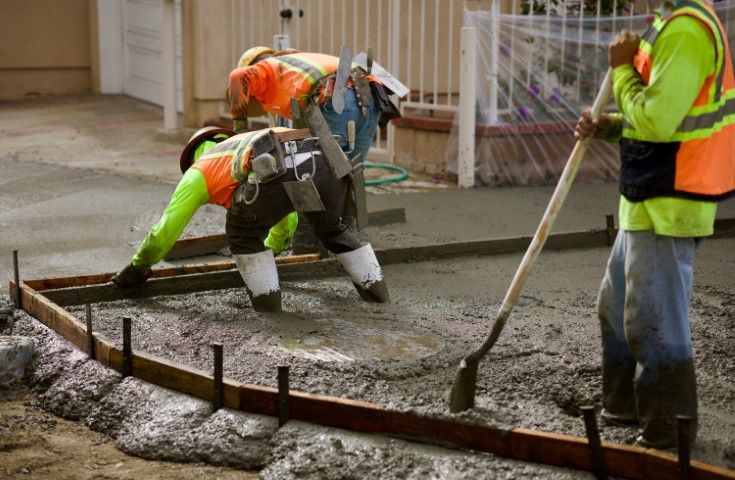
The structural integrity of your home’s exterior surfaces depends heavily on the quality of the materials and the precision of the installation process. Choosing professional concrete work ensures that your driveways, patios, and walkways can withstand the test of time and heavy use. Beyond immediate functionality, well-executed concrete serves as a permanent improvement that enhances the overall stability of your property. Investing in expert installation today prevents the costly headaches of premature cracking, sinking, and erosion in the future. Expert Subgrade Preparation and Compaction The most critical part of any concrete project is actually what lies beneath the surface, as the ground must be perfectly stabilized to support the weight. Professionals understand how to assess soil types and create a compacted base of gravel or crushed stone to prevent shifting over time. Remove all organic material and loose soil to create a clean slate for the foundation. Use heavy-duty vibrating plate compactors to ensure the subgrade will not settle. Verify proper drainage slopes to prevent water from pooling under the finished slab. By focusing on the foundation, a professional installer ensures that your concrete remains level and secure for decades rather than just a few seasons. Precision Reinforcement and Thickness To handle the stress of heavy vehicles or fluctuating temperatures, concrete must be reinforced with internal structures that provide tensile strength. Professionals calculate the exact thickness required for your specific needs, ensuring the slab doesn't buckle under pressure. Install rebar or wire mesh to hold the concrete together and prevent wide gaps if settling occurs. Utilize fiber-reinforced concrete mixes for added durability against surface scaling. Ensure consistent thickness across the entire project to avoid weak spots that lead to fractures. A reinforced slab acts as a single, cohesive unit that can distribute weight effectively without compromising its structural integrity. Advanced Moisture Control and Curing Properly managing the water content during and after the pour is a scientific process that determines the final strength of the concrete. Professional installers use specific curing compounds and techniques to ensure the chemical hardening process is slow and thorough. Apply high-quality sealants to protect the surface from oil stains and freeze-thaw damage. Control the evaporation rate of the surface water to prevent "spiderweb" shrinkage cracks. Advise homeowners on the proper timeframe for when to allow foot or vehicle traffic. Taking the time to cure the concrete correctly results in a much harder and more resilient surface that resists dusting and peeling. Professional Grade Finishes and Aesthetics Concrete is no longer just a gray utility surface; it can be a beautiful architectural feature that complements your home’s design. Experts possess the tools to create various textures and patterns that provide both visual appeal and essential slip resistance. Choose between broom, stamped, or exposed aggregate finishes to match your home’s style. Use professional-grade pigments to ensure color consistency across the entire project area. Apply decorative borders or saw-cut joints that double as aesthetic features and stress relief. The right finish not only makes your property look more expensive but also ensures the surface is safe for family and guests to walk on. Strategic Joint Placement for Crack Control All concrete will naturally expand and contract with temperature changes, making the placement of control joints a vital part of the design. Professionals know exactly where to place these "intentional breaks" to ensure that any inevitable cracking happens in a straight line and remains hidden. Cut joints to a depth of at least one-quarter of the slab's total thickness. Space joints at intervals that prevent large, unmanaged sections of concrete from moving. Align joints with the corners of buildings or other fixed structures to reduce stress points. Properly managed joints keep your concrete looking pristine and prevent irregular cracks from snaking across your beautiful new patio or driveway. Maximize Your Equity with Durable Concrete Solutions High-quality concrete work is a hallmark of a well-maintained home and significantly boosts your property's marketability and curb appeal. When you choose professional installation, you are securing an asset that provides immediate utility and long-term financial returns. The peace of mind that comes from a job done right the first time is worth the initial investment in expert labor and materials. Transform your home’s exterior into a lasting legacy of strength and beauty that you can enjoy for a lifetime.