How Do You Know if Your Driveway Needs a Simple Patch or a Full Resurface?
Determining the appropriate level of maintenance for your driveway is essential to preserving your home’s curb appeal and structural integrity. Homeowners often struggle to decide between a quick fix and a more comprehensive restoration, leading to either wasted money or ignored damage.
Making the right choice early can prevent minor surface flaws from evolving into a total foundation failure. By understanding the specific symptoms of concrete wear, you can select a repair strategy that balances cost-effectiveness with long-term durability.
Identifying Minor Hairline Cracks
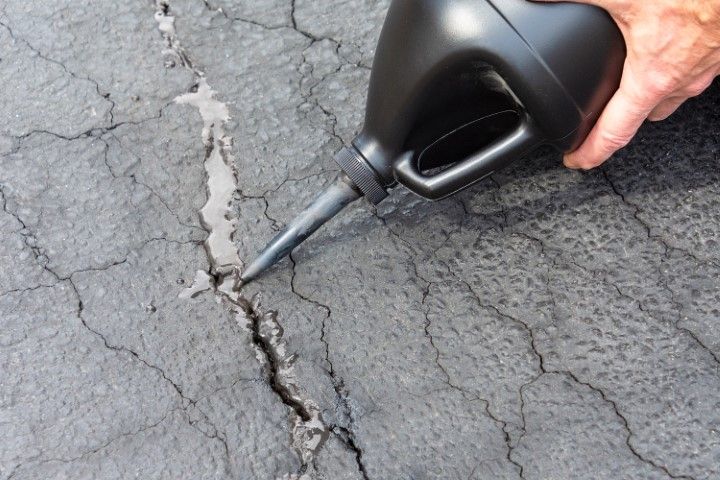
Hairline cracks are thin, superficial fissures that generally measure less than one-quarter inch in width and do not indicate a sinking foundation. These are typically the result of natural expansion and contraction or the settling of a relatively new slab of concrete.
- Use a high-quality concrete filler or masonry caulk to seal these openings against moisture.
- Ensure the area is completely dry and free of loose debris before applying any patching compound.
- Monitor the area over several months to see if the crack widens or shifts vertically.
Small cracks are perfect candidates for a simple patch, as they are primarily an aesthetic concern rather than a structural threat.
Evaluating Surface Scaling and Spalling
Scaling occurs when the top layer of the concrete begins to flake away, often revealing the aggregate or "rocks" underneath the smooth finish. This is frequently caused by poor finishing techniques during the original pour or damage from de-icing salts during the winter.
- Check if the damage is localized to a small area or spread across the entire driveway surface.
- Scrape away loose material to see if the concrete underneath remains hard and stable.
- Consider resurfacing if more than twenty-five percent of the driveway shows visible peeling or pitting.
When scaling becomes widespread, a simple patch will look like a mismatched bandage, making professional resurfacing the superior choice for a uniform appearance.
Assessing Deep Potholes and Craters
Potholes are more severe than surface flakes and usually indicate that a specific section of the concrete has weakened or collapsed. While a single, isolated pothole can be filled with a heavy-duty patching mortar, multiple holes suggest the concrete mix is failing.
- Clean out all organic material and loose chunks of concrete from the hole before filling.
- Apply a bonding agent to ensure the new patch adheres securely to the old concrete.
- Tamp down the repair material to eliminate air pockets that could cause the patch to sink.
If your driveway begins to look like a patchwork quilt of different colors and textures, resurfacing will provide a fresh, cohesive top layer.
Recognizing Structural Sinking and Heaving
If one section of your driveway is significantly higher or lower than the adjoining slab, you are likely dealing with subgrade issues rather than surface wear. This "heaving" often happens when tree roots grow underneath or when improper drainage washes away the supporting soil.
- Look for vertical shifts that create a tripping hazard or an abrupt bump for your vehicle.
- Determine if water is pooling in the sunken area, which will further accelerate the damage.
- Consult a professional to see if the base needs stabilization before any surface work is performed.
Neither a patch nor a resurface can fix a sinking foundation; these issues often require specialized leveling or a more intensive structural intervention.
Analyzing the Age and Porosity of the Slab
The overall age of your driveway plays a massive role in whether it can be salvaged with minor repairs or if it has reached the end of its functional life. Concrete that is over twenty years old often becomes highly porous, meaning it absorbs water like a sponge and is prone to rapid degradation.
- Perform a "water test" to see if moisture beads on the surface or soaks in immediately.
- Look for a "chalky" residue on the surface, which indicates the cement paste is breaking down.
- Evaluate the cost of constant patching versus the one-time investment of a high-strength overlay.
Resurfacing is the ideal middle-ground for an aging driveway that is still structurally sound but looks tired, stained, and worn out.
Restore Your Home's Entrance with Confidence
Choosing the correct repair method is a strategic investment that protects your property value and ensures a safe, smooth path to your front door. Whether you opt for a targeted patch or a complete resurface, taking action now prevents the need for an expensive total replacement.
Your driveway is a vital component of your home’s exterior and deserves a professional touch to remain in peak condition. Prioritize the health of your concrete today to enjoy a beautiful and resilient entrance for many years to come.