What Kind of Reinforcement Does a High-Traffic Sidewalk Actually Need?
High-traffic sidewalks must endure constant physical stress from heavy foot traffic, delivery carts, and environmental shifts. Without proper internal reinforcement, standard concrete will quickly develop structural cracks that lead to tripping hazards and expensive repairs.
Ensuring the longevity of a busy walkway requires a strategic combination of high-strength materials and professional engineering. By focusing on the internal skeleton of the slab, you can protect your investment and maintain a safe, accessible path for years to come.
Structural Rebar for Maximum Load Bearing
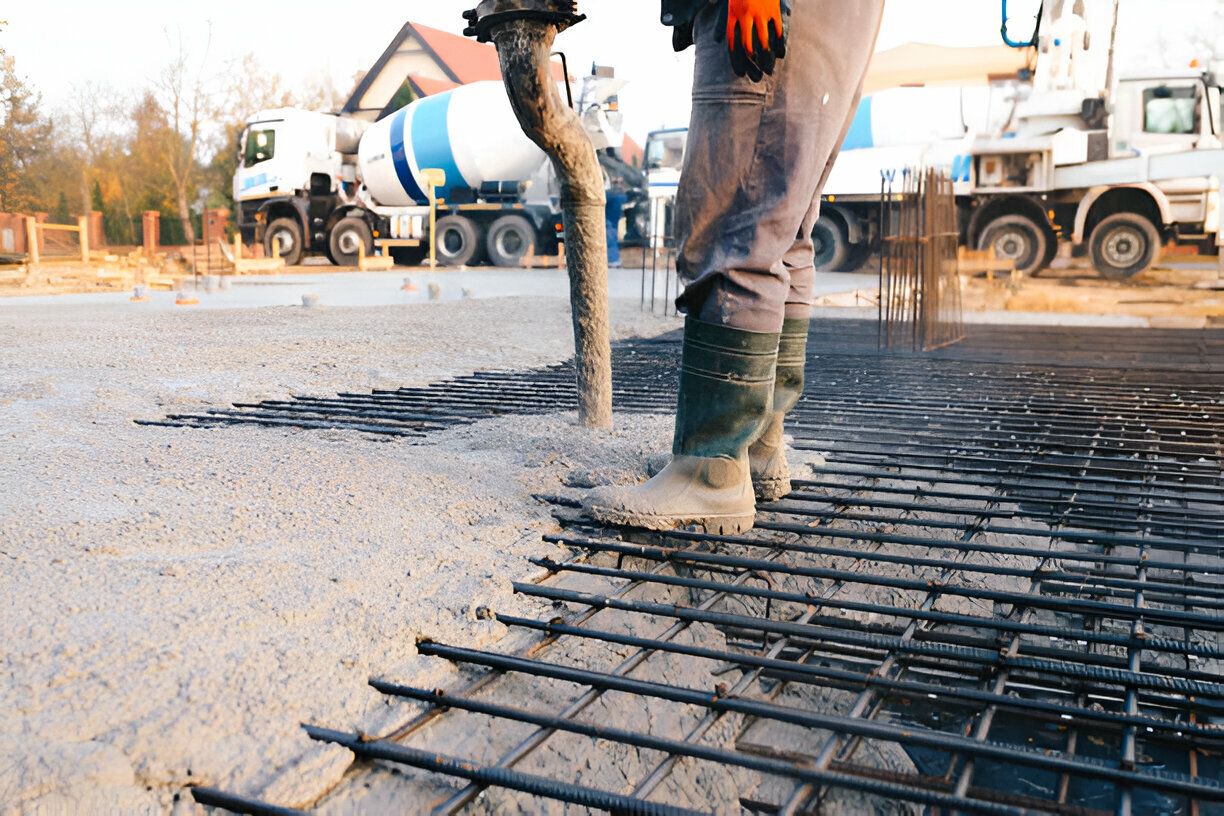
For sidewalks that may occasionally support heavy machinery or frequent commercial deliveries, steel rebar is the gold standard for providing tensile strength. Rebar prevents the concrete from pulling apart under pressure and ensures that the slab can bridge minor soft spots in the soil.
- Use Grade 60 steel rebar to provide a high level of yield strength for urban environments.
- Place the bars in a grid pattern, typically spaced twelve to eighteen inches apart, depending on the expected load.
- Secure the rebar on "chairs" to ensure it remains in the center of the pour rather than sinking to the bottom.
Reinforcing with steel creates a rigid framework that allows the sidewalk to function more like a bridge than a simple surface layer.
Synthetic Fiber Mesh for Surface Integrity
While rebar handles the heavy loads, synthetic fiber mesh is added directly to the concrete mix to control "plastic shrinkage" cracks during the curing process. These millions of tiny fibers provide three-dimensional reinforcement that holds the surface together and resists impact damage.
- Opt for macro-synthetic fibers to provide a higher level of structural support than standard micro-fibers.
- Ensure the fibers are evenly distributed throughout the concrete truck to avoid weak spots in the pour.
- Use fiber-reinforced mixes in areas with extreme temperature swings to reduce surface flaking or "spalling."
Fiber mesh acts as a secondary insurance policy, keeping the surface smooth and preventing small fissures from expanding over time.
Welded Wire Reinforcement for Flatwork Stability
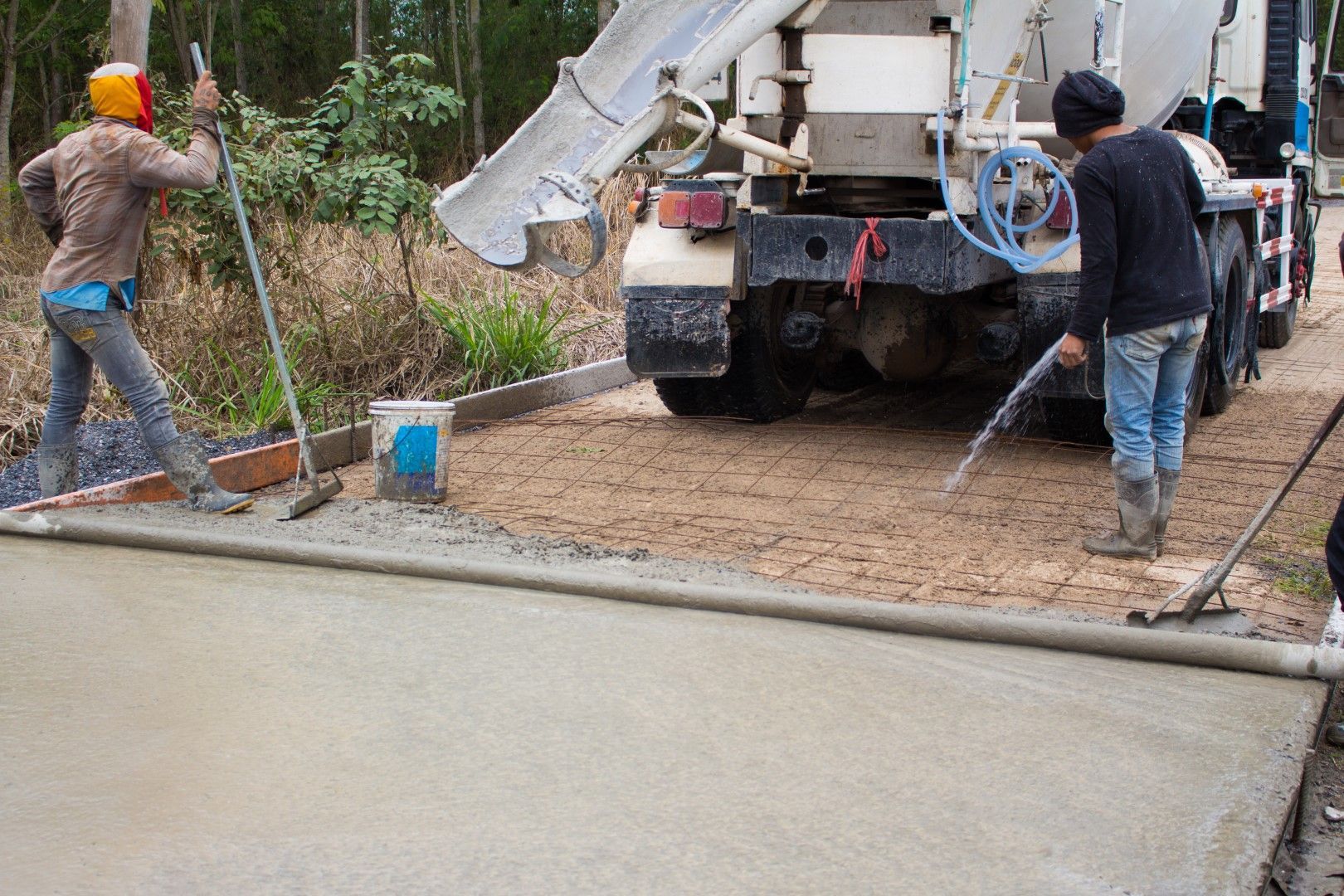
Welded Wire Reinforcement (WWR) is a convenient and effective way to provide consistent tension across a large area of flatwork. It is particularly useful for long stretches of sidewalk where maintaining a uniform grid of rebar might be too labor-intensive.
- Select a heavy-gauge wire mesh to ensure it provides meaningful structural support rather than just cosmetic protection.
- Overlap the sheets of mesh by at least six inches to maintain a continuous bond across the entire walkway.
- Check that the mesh is pulled upward during the pour so it doesn't end up resting on the dirt.
This type of reinforcement is ideal for maintaining the shape of the sidewalk and preventing "faulting," where one slab becomes higher than the next.
Thickened Edges and Load Transfer Dowels
High-traffic areas often fail at the joints where two slabs meet, as the weight of a pedestrian or cart moves from one section to another. Installing smooth steel dowels across these joints allows for the transfer of weight without the slabs shifting independently.
- Use greased dowel bars to allow for natural thermal expansion while maintaining vertical alignment.
- Increase the concrete thickness at the edges of the sidewalk where the most stress occurs.
- Space dowels precisely to ensure they don't lock the slabs together and cause "random" cracking.
Load transfer mechanisms are essential for preventing the uneven "lippage" that creates dangerous tripping hazards in busy public corridors.
Engineered Subgrade and Base Compaction
No amount of internal steel can save a sidewalk if the ground beneath it is soft or poorly drained. A high-traffic path needs a thick, compacted base of crushed stone to provide a stable platform for the reinforced concrete.
- Use a minimum of four to six inches of compacted gravel to ensure proper drainage and support.
- Verify that the soil has been stripped of all organic material and compacted with a vibrating plate.
- Install a vapor barrier if the sidewalk is adjacent to a building to prevent moisture migration.
A solid foundation ensures that the reinforcement remains in its intended position and that the concrete does not have to fight against shifting earth.
Secure the Future of Your Pedestrian Infrastructure
Investing in the correct reinforcement today is the only way to avoid the logistical and financial nightmare of a premature sidewalk failure. A well-built, high-traffic path serves as a durable asset that enhances the safety and value of your property.
When you prioritize structural integrity, you create a worry-free environment for both pedestrians and property owners. Take the proactive step toward professional-grade construction to ensure your walkways remain pristine and functional for decades.