Which Materials Are Best for Constructing a Durable Sidewalk in Cold Climates?
Constructing a sidewalk in regions prone to harsh winters requires a strategic selection of materials that can handle extreme temperature fluctuations. The primary challenge in cold climates is the freeze-thaw cycle, which can cause standard pavements to crack, heave, or crumble within just a few seasons.
Choosing durable, weather-resistant materials ensures that your walkways remain safe for pedestrians and aesthetically pleasing for years to come. Investing in high-quality components and specialized installation techniques prevents the need for frequent, costly repairs caused by frost damage.
Air-Entrained Concrete for Freeze Protection
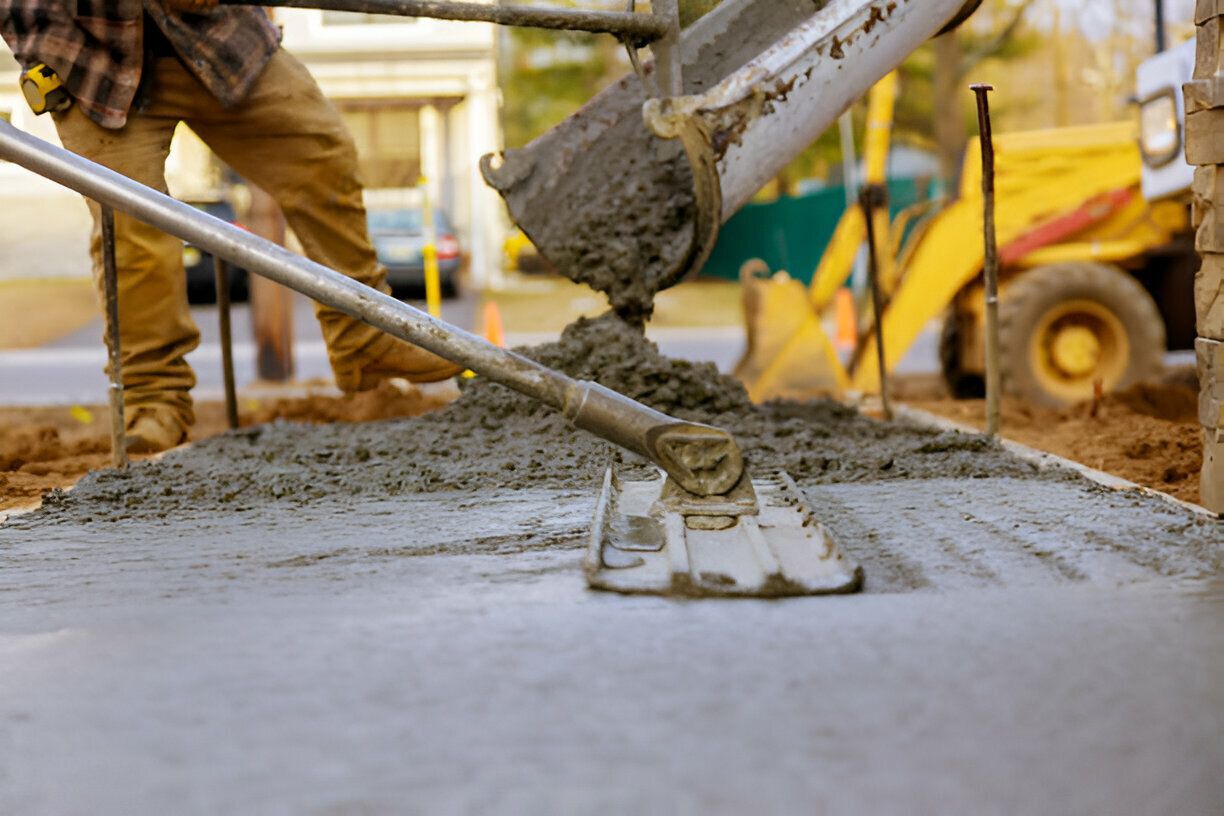
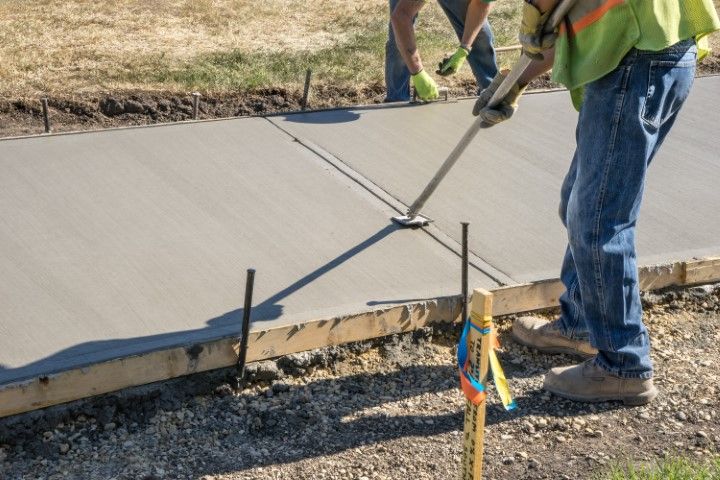
Air-entrained concrete is specifically engineered to include billions of microscopic air bubbles that provide "expansion chambers" for freezing water. When moisture within the concrete turns to ice, it expands into these tiny voids rather than putting pressure on the internal structure of the slab.
- Use a mix with a five to seven percent air content to maximize resistance to surface scaling.
- Ensure the water-to-cement ratio is kept low to increase the overall density and strength of the concrete.
- Avoid over-finishing the surface, as this can force the essential air bubbles away from the top layer.
This specialized concrete is the gold standard for public and private walkways in northern states, offering a life expectancy far beyond standard mixes.
High-Strength Interlocking Concrete Pavers
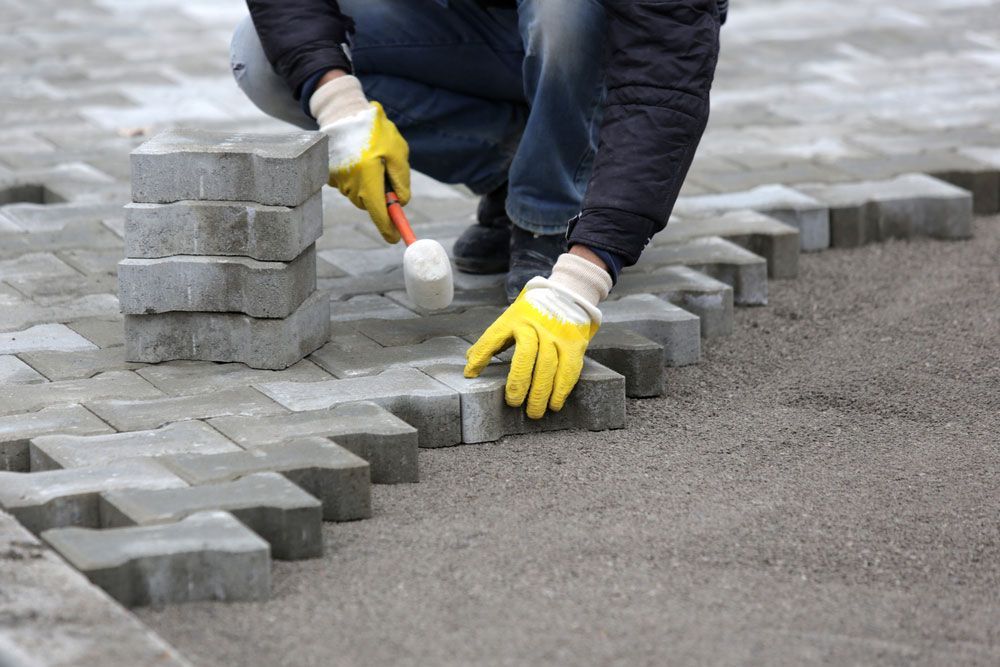
Interlocking pavers are an excellent alternative to solid slabs because they provide built-in flexibility that allows the ground to shift without causing structural damage. Because there are joints between each unit, the sidewalk can "breathe" and move slightly as the frost enters and leaves the soil.
- Install pavers with a high compressive strength of at least 8,000 PSI to resist the impact of snowplows.
- Use specialized polymeric sand in the joints to prevent water from penetrating the sub-base while maintaining flexibility.
- Choose pavers with a low water absorption rate to minimize internal ice expansion within the stone itself.
The modular nature of pavers means that if one section is damaged, it can be replaced individually without tearing up the entire walkway.
Engineered Permeable Pavement Systems
Permeable materials are gaining popularity in cold climates because they allow melting snow and rain to drain directly through the surface into the ground. This prevents the formation of "black ice" and reduces the amount of standing water that could otherwise freeze and expand within the pavement.
- Design a deep, open-graded aggregate base to act as a reservoir for managed water runoff.
- Ensure regular maintenance is performed to keep the pores clear of sand and debris used during winter salting.
- Select materials that are resistant to chemical de-icers which can often degrade standard asphalt or concrete.
By managing water effectively, permeable systems eliminate the primary catalyst for frost heaving and surface deterioration.
Fiber-Reinforced Concrete for Enhanced Durability
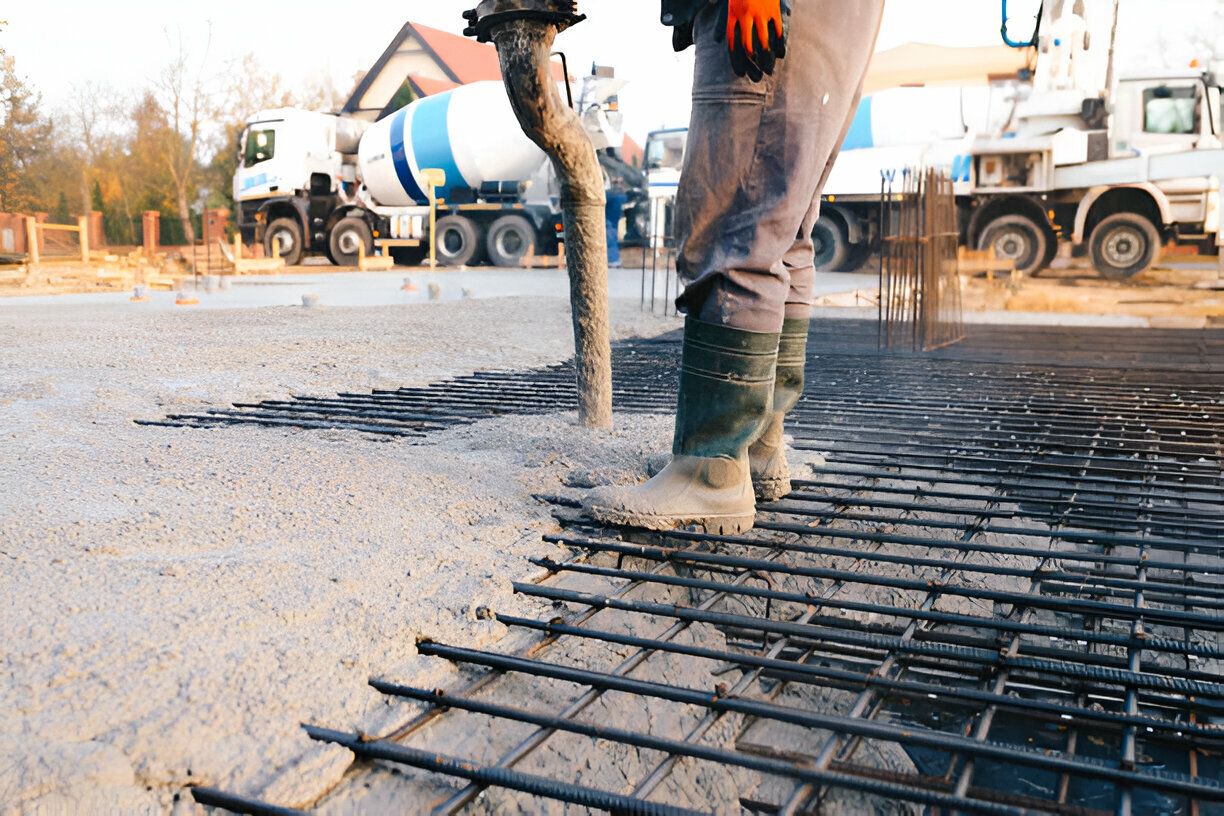
Adding synthetic or steel fibers to a concrete mix provides secondary reinforcement that helps hold the material together even if micro-cracks develop. These fibers act as "bridges" across potential fractures, preventing small fissures from turning into wide, hazardous gaps.
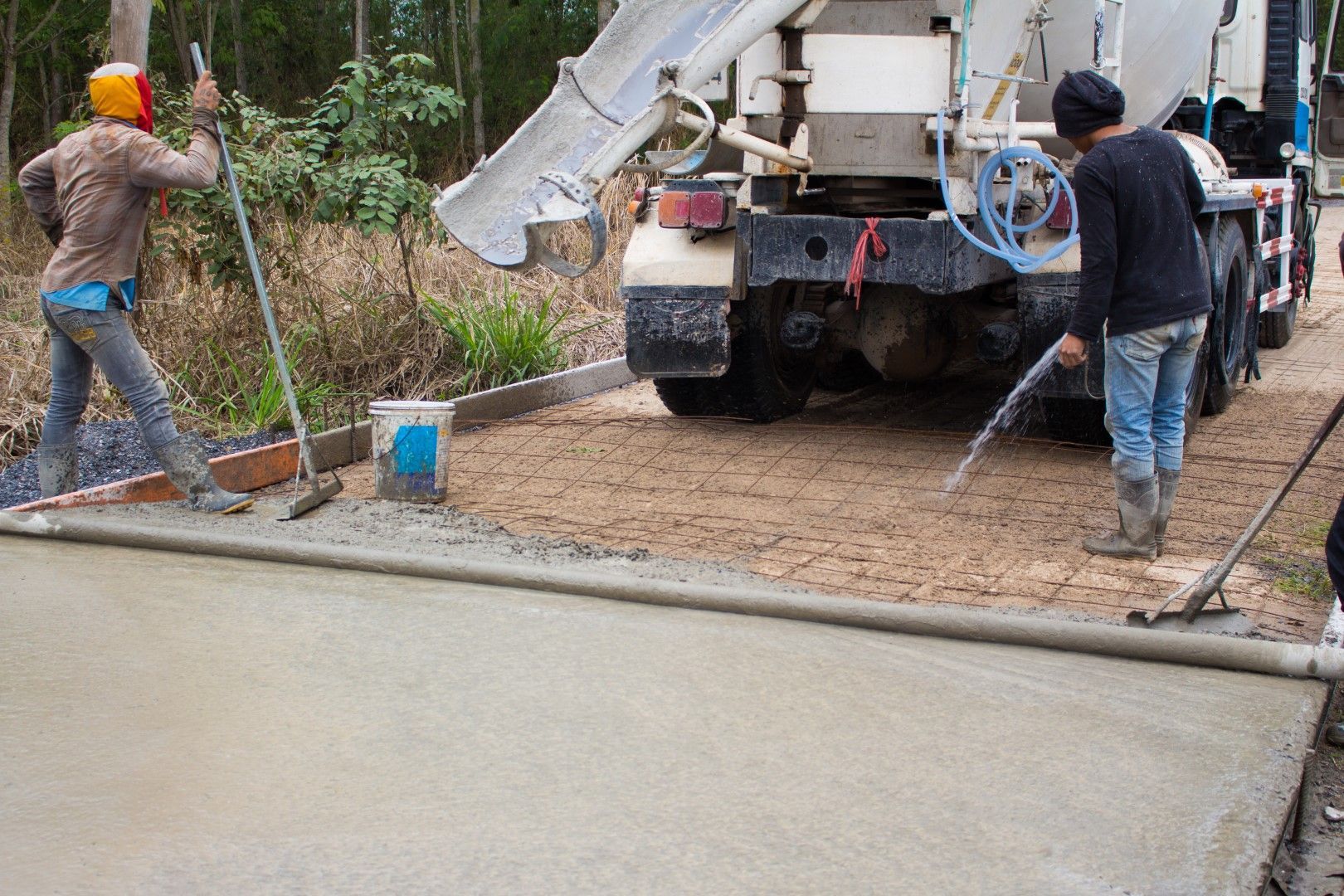
- Use macro-synthetic fibers to provide structural support and reduce the need for traditional steel mesh.
- Ensure the fibers are distributed evenly throughout the mix to provide three-dimensional reinforcement.
- Combine fiber reinforcement with traditional control joints for the highest level of crack management.
This added internal strength is particularly valuable in areas where heavy snow-clearing equipment frequently traverses the sidewalk.
Proper Sub-Base Materials and Drainage
The longevity of any sidewalk material is ultimately determined by the quality of the foundation and its ability to shed water. A thick layer of well-draining, non-frost-susceptible material prevents the "ice lenses" from forming beneath the sidewalk and pushing it upward.
- Use a base of crushed stone or clean gravel rather than sand, which can trap moisture.
- Install perforated drain tiles if the soil has a high clay content and poor natural drainage.
- Extend the base layer several inches beyond the width of the sidewalk to provide extra lateral support.
A solid, dry foundation ensures that even the best surface materials are not undermined by the powerful forces of shifting frozen earth.
Secure Your Walkways Against the Elements
Prioritizing frost-resistant materials is a smart financial decision that protects the safety of your property and its users. By selecting specialized concrete or flexible paver systems, you ensure your infrastructure can withstand the most punishing winter weather.
Your sidewalks are a vital part of your home’s accessibility and deserve the protection of modern engineering and high-quality materials. Take the step to build with durability in mind today to enjoy clear, stable, and beautiful paths for many winters to come.